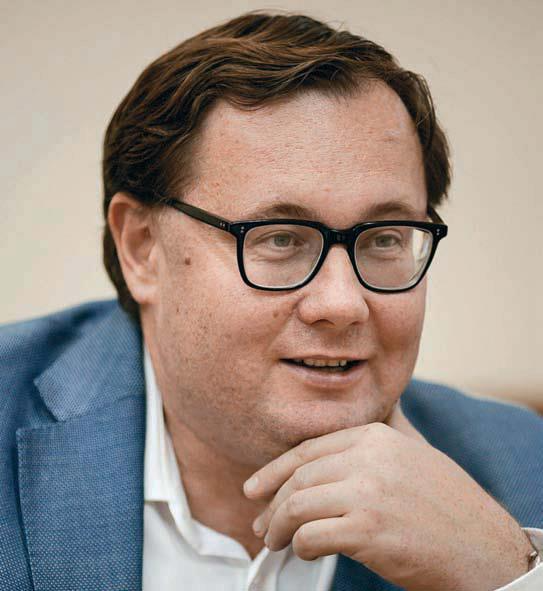
Sergey Drobyshevsky, Principal Researcher at the Gaidar Institute, spoke to RBC about the growing imbalances in world trade and their impact on global macroeconomic stability.
According to expert, the global economy remains structurally unbalanced: some countries continue to be net suppliers of goods and raw materials, while others are net consumers.
“Despite attempts to change this model, including protectionist policies and rising tariffs in the U.S., as well as China’s gradual shift away from its role as the ‘world’s factory,’ fundamental changes are occurring slowly. The process of reshoring — the return of manufacturing to developed countries—is held back by a number of factors: capital is largely concentrated in exporting countries, production costs in developed economies remain high, and decarbonization requirements pose an additional barrier in developing countries. “As a result, global production and trade chains retain their previous configuration, which exacerbates accumulated imbalances as the global economy grows,” said Sergey Drobyshevsky.
According to him, changes in the financing structure are placing additional pressure on the system: governments are increasingly diversifying their reserves and reducing the share of U.S. assets, while the private sector, having received significant resources as a result of quantitative easing policies, is seeking new investment opportunities.
At the same time, as the expert notes, the limited availability of alternative assets makes both government and private investments vulnerable to systemic risks. For Russia, the current situation means both a reduction in the direct impact of global shocks due to limited integration and the need to continue pursuing the development of the domestic market and import substitution.
“In my view, the authors’ conclusions regarding the growing risks to global macroeconomic stability due to rising current account imbalances across different countries are entirely justified and deserve the closest attention,” concluded Sergey Drobyshevsky.