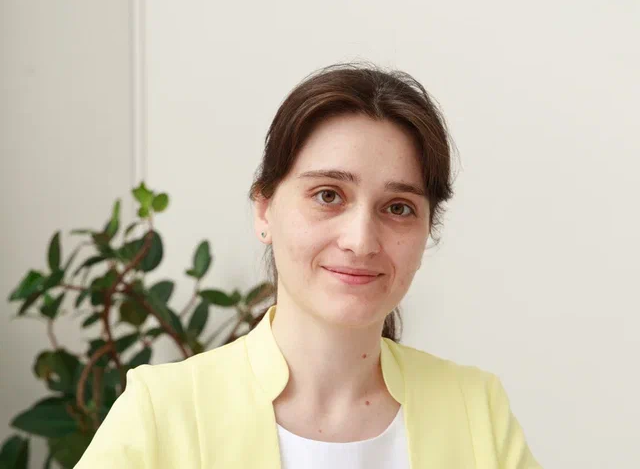
Olga Soldatkina, a Researcher of the International Best Practices Analysis Department at the Gaidar Institute, explained in a commentary to Forbes, which factors determine the speed of import substitution in various sectors of the Russian economy.
The expert noted that speed of substitution of foreign products largely depends on the technological complexity of the industry. She believes that in sectors marked by relatively simple technologies, companies find it easier to establish production, secure equipment and components, find the necessary specialists, and resolve intellectual property issues. Meanwhile, high-tech industries face much more serious challenges.
"The lower the technological complexity, the fewer problems there are concerning securing equipment, registering intellectual property rights, finding specialists having skills to manufacture the product, as well as organizing supply chains. This is why import substitution is significantly more difficult to achieve in more capital-intensive and technologically intensive sectors, such as software and hardware," Olga Soldatkina emphasized.
She thinks that the accumulated competencies and experience of market actors play a crucial role. While there were no strong domestic competitors to foreign companies in the industry before import substitution began, Russian manufacturers are forced to begin development from a much lower starting point. Furthermore, even with their own developments, access to the necessary equipment and production facilities for large-scale replication remains an issue.