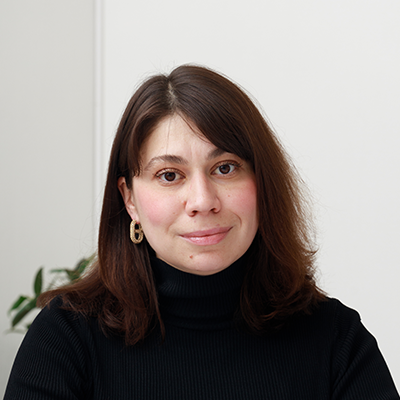
Antonina Levashenko, Head of International Best Practices Analysis Department at the Gaidar Institute, told Forbes, how approaches to defining middle class are changing and why modern research increasingly takes into account not only income but also people's financial behavior.
According to the expert, while the middle class was previously defined primarily by profession, labor market status and income level, today researchers additionally analyze consumer habits, cultural and social capital, as well as a person's self-esteem.
"Over the years, the boundaries of what constitutes the middle class have become increasingly blurred. Modern studies consider not only income but also consumer behavior, financial strategies, education level, and self-identification. Therefore, the approach that divides middle class into groups based on their financial and consumer characteristics is particularly interesting," noted Antonina Levashenko.
She emphasized that it is the middle class that drives demand for goods and services, supports the development of small and medium-sized businesses, and creates the foundation for economic growth. She believes it is important for the state to expand opportunities for the middle class to grow, especially among young people, through accessible education, preferential loans, and support for startups.