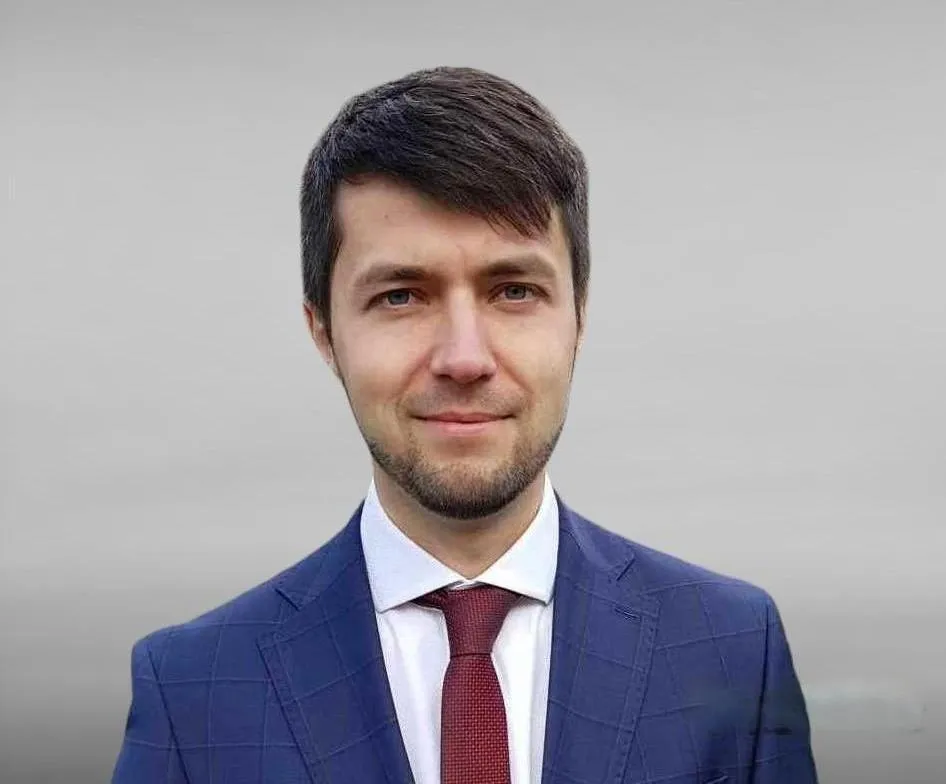
A technological lag of several years could prove critical for the competitiveness of the economy. Alexander Firanchuk, a Senior Researcher of the International Trade Department at the Gaidar Institute, shared his view in a commentary for Vzglyad newspaper.
He believes that current stage of technological development evidences not only new solutions but also a sharp acceleration in their implementation. In the coming years, this will result in large-scale automation of routine operations, expansion of robotics, and increasing role of big data in production and logistics management.
In this context, competition will be determined less by the quality of individual products and more by the speed of information processing and technology implementation.
Alexander Firanchuk also emphasized that for Russia, technological challenge is complicated by institutional constraints. He believes that developing a domestic technological base and sustainable technology transfer mechanisms requires more profound changes rather than adapting to new external suppliers or markets.
He prioritized strengthening institutions that support long-term investment and technological development, including protecting property rights, copyrights, and predictable capital flows.
"Regarding rapid technological development, the main challenge now is speed. Falling behind advanced technologies by just a few years could seriously impact the competitiveness of both goods and the country as a whole," Alexander Firanchuk noted.
In the coming years, technological advances will mean the automation of routine office work, more precise production and logistics management, as well as growth of robotics and big data analysis. Competition will revolve not only around factories and products, but also around information processing speed, data access, and the ability to rapidly implement technologies.
"For Russia, technological challenge is more complex. Finding a new equipment supplier or raw material buyer is easier than creating own technological base or building relationships that facilitate technology transfer. Therefore, Russia needs strengthening the institutions and conditions that are particularly sensitive to entering into long-term projects, i.e., property rights guarantees, copyrights, and rules for the repatriation of revenues and capital," concluded Alexander Firanchuk.