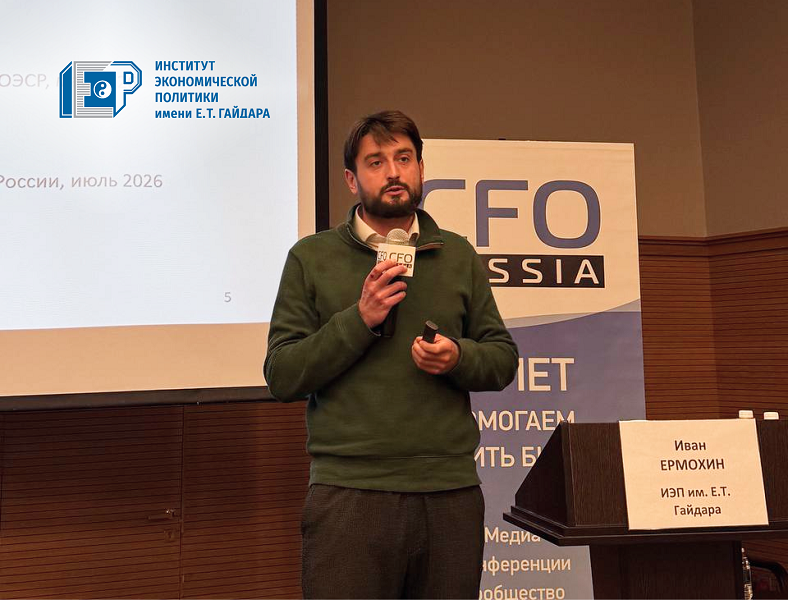
On October 14, Ivan Ermokhin, Researcher of the International Best Practices Analysis Department at the Gaidar Institute, spoke at the IX Conference held in Moscow "Current issues in foreign economic activity: managing liquidity, international settlements and financial risks".
The expert compared approaches to regulation of stablecoins in Russia and globally, and highlighted key trends:
- Stablecoins are increasingly being used by banks and payment systems. This enables round-the-clock transfers, including on weekends. However, the cost savings depend on the expenses incurred in purchasing the token, exchanging it, and converting it back into conventional currency.
- Countries choose different models. The U.S. views stablecoins as a tool to strengthen the dollar, while the EU considers them as an opportunity to develop payment systems and support the role of the euro. China is betting on its state-backed digital yuan. For Russia, the priority is to expand options for foreign trade settlements amid sanctions pressure, while preserving the role of the ruble domestically.
- The risk of funds being blocked remains. The company that issued a stablecoin can freeze tokens at the request of the authorities. The use of blockchain, in itself, does not exempt a business from sanctions-related risks.
According to the expert, stablecoin market can be divided into segments with different rule in the near 5–7 years.
This trend can be observed via the Digital Economy Regulation Monitoring Platform developed by the Gaidar Institute. On a daily basis, the platform identifies legislative acts from over 40 OECD and BRICS countries, including those concerning the regulation of cryptocurrencies.