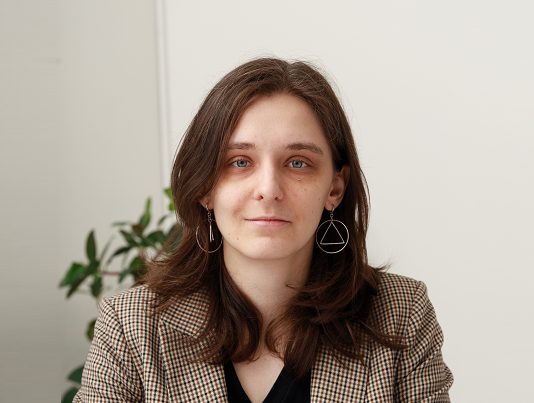
Angelina Shpilevaya, Researcher at the Gaidar Institute’s Mathematical Modeling of Economic Processes Department, analyzed the current demographic situation in China.
Until recently, young and large working-age population was one of the main advantages of the Chinese economy. Now, the demographic situation is changing rapidly: the working-age population is shrinking, while the number of older adults is growing. In 2024, for every 100 Chinese people aged 20–64, there were about 23 people over the age of 65; by 2054, that figure will rise to 64—higher than the OECD average (55) and above Japan’s current level (about 55). The share of the population aged 65 and older will rise from 14.3% in 2023 to 30.1% in 2050.
The economic consequences of this shift will be significant. According to IMF estimates, population aging and a shrinking labor force will gradually slow down the Chinese economy: even taking into account an increase in the retirement age, annual GDP growth rates by 2050 will be approximately 1.8 percentage points lower than in 2024. At the same time, pension expenditures could rise from 5.4% of GDP in 2024 to 11.9% in 2050
However, the social security system is only partially adapted to the future burden. Pension coverage is high, but benefit levels vary significantly between urban enterprise employees and participants in the basic system for rural and urban residents. In the healthcare system, many patients prefer to seek care directly at large hospitals, as the quality of care and staff qualifications at primary care facilities are often lower than at large hospitals. As a result, hospitals are forced to treat even relatively simple cases that could be managed by less expensive primary care. With the growing number of older adults and the prevalence of chronic diseases, this model will become increasingly costly. The long-term care system is still in its early stages: insurance coverage extends to about one-fifth of the population.
The main challenge for China is not simply aging, but the speed at which it is progressing. Within a single generation, the country must restructure its pension, healthcare, and long-term care systems to accommodate a society with a fundamentally different age structure.